What a licensed insurance adjuster actually does
An insurance adjuster inspects a loss, decides what the policy covers, and figures out what the repair should cost. Insurance companies hire adjusters to do this on every claim.
Our owner does that job. He knows how carriers measure hail hits, what photos they need, and how estimates get built. We use that knowledge to document your roof the way an adjuster expects to see it.
Meet the adjuster behind your claim
Yoseph Sotomayor, independent licensed insurance adjuster, Texas Department of Insurance License #3224509. He also runs Clarity Appraisal Group.
Texas does not license roofing contractors. Anyone can call themselves a roofer. A state adjuster license is a real credential you can look up with the Texas Department of Insurance.
How the roof claim process works
Step 1
Free inspection and documentation
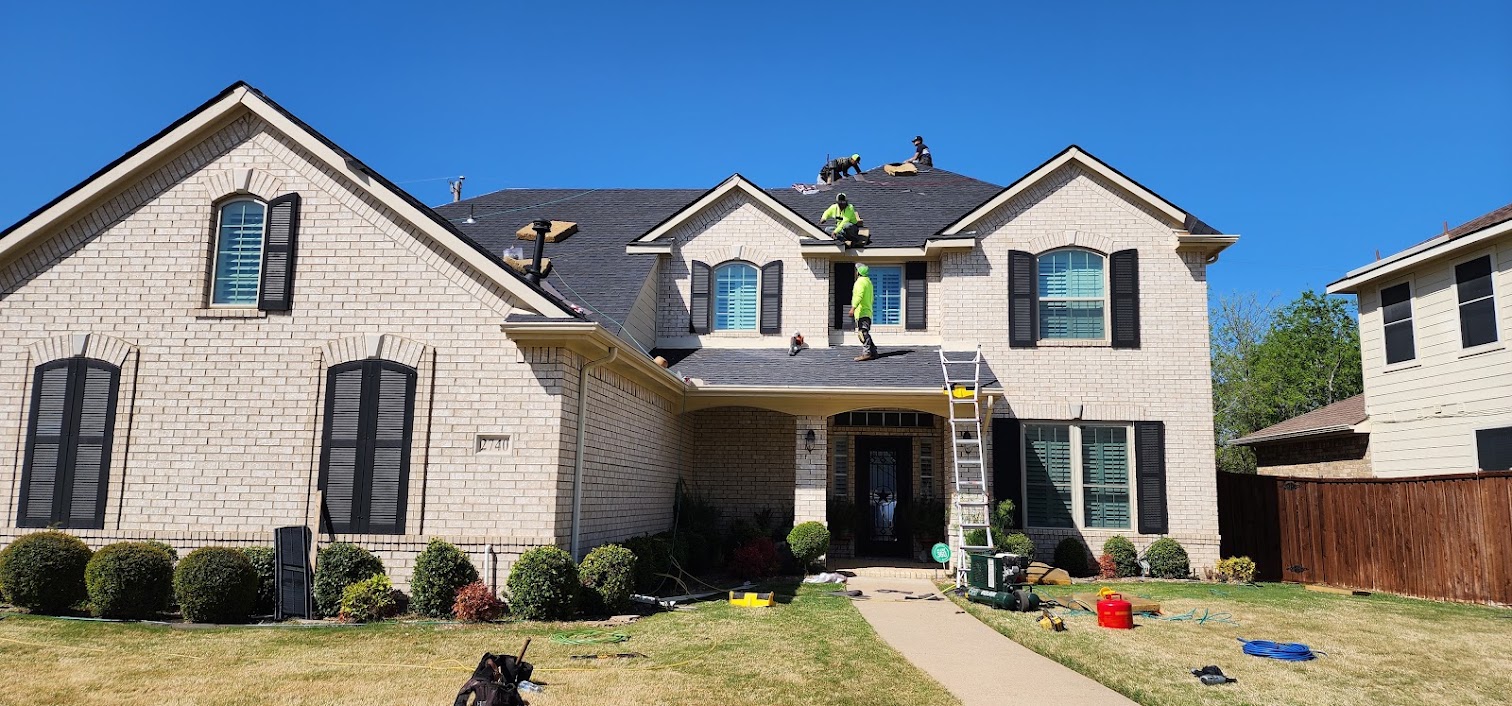
We inspect every slope, plus vents, gutters, and soft metals. We photograph and measure everything we find.
Step 2
You file the claim
You report the damage to your insurer and get a claim number. We tell you exactly what was found so you can describe it clearly.
Step 3
Adjuster meeting
We meet your insurance company's adjuster on the roof and walk them through every point of damage we documented.
Step 4
Scope review and supplements
We check the carrier's estimate line by line against what your roof actually needs. If items are missing, we submit documentation to support them.
Step 5
Approval
Once the scope is approved, we go over the numbers with you, including your deductible and any held-back depreciation.
Step 6
Roof replacement
We install the new roof, then send the final invoice so you can collect recoverable depreciation.
How we document hail and storm damage
Missed damage is missed money. We document so nothing gets left off.
Photos
Close-ups of every hail hit, crease, and missing shingle, plus dented vents, gutters, and screens.
Measurements
Full roof measurements, pitch on each slope, and test squares marked on each side.
Code upgrades
Items local code requires on a new roof, listed so they are part of the scope.
Hail damage on a roof often needs a full roof replacement in Dallas. Smaller storm damage may only need a roof repair.
What to do in the first 48 hours after a storm
- Stay safe. Do not climb on a wet or damaged roof.
- Take photos of damage you can see from the ground: shingles in the yard, dented gutters, ceiling stains.
- Cover open leaks with a tarp or bucket to prevent more damage. Keep the receipts.
- Call us for a free inspection so you know what is actually up there.
- Report the claim to your insurer promptly. Most policies require prompt notice.
- Do not sign anything from a door-to-door roofer until you understand it.
Why roof claims get underpaid, and how we respond
First estimates often miss items. It is rarely one big thing. It is a lot of small ones.
Line-item estimates
Carriers estimate in software like Xactimate. We build our estimate the same way, so every missing item is easy to see and easy to discuss.
Local code requirements
When a roof is replaced, Dallas-area building codes can require items the old roof did not have. Many policies cover code upgrades. We document what code requires so it is part of the conversation.
Supplementing the claim
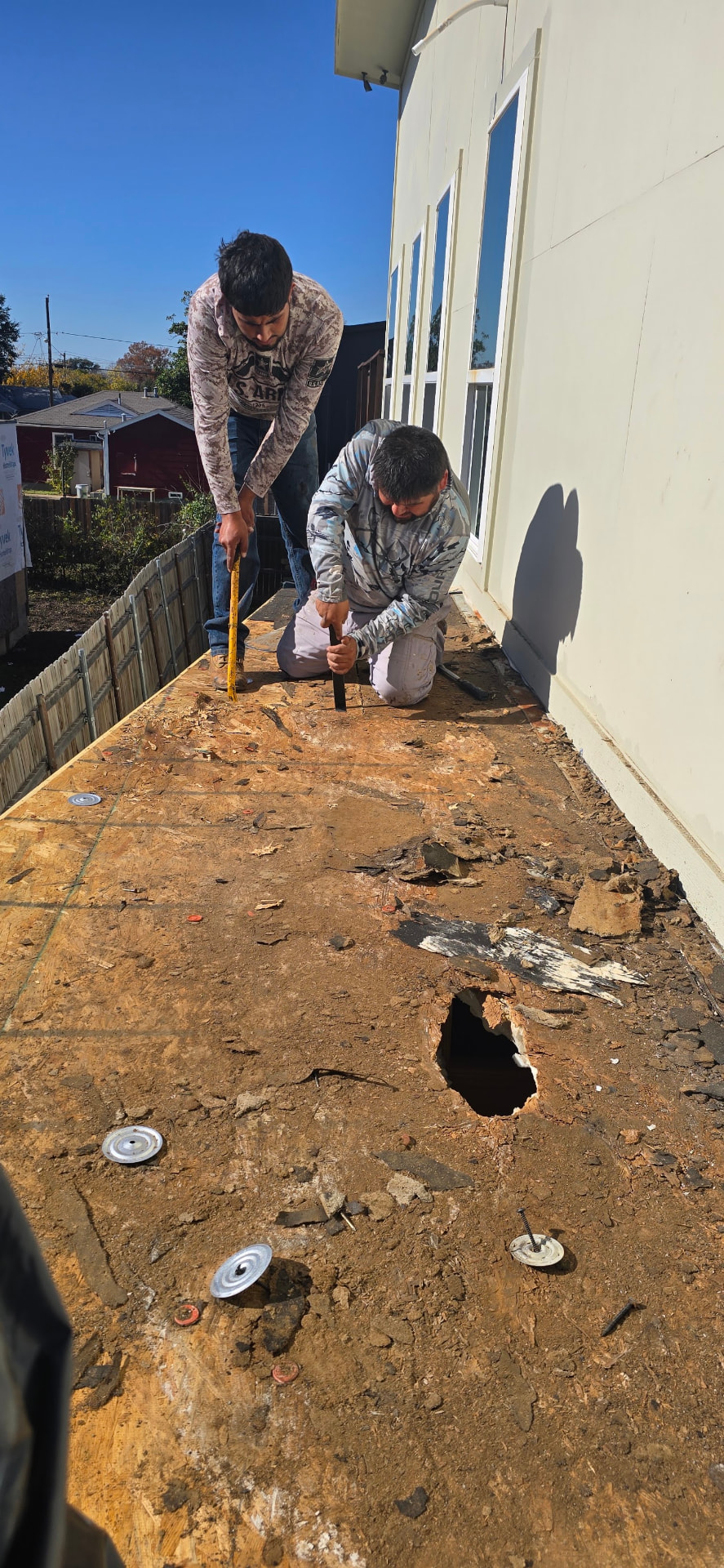
Some damage only shows up during tear-off, like rotted decking. We photograph it on the spot and submit it to the carrier as a supplement.
Small items add up
Ridge cap, starter strip, drip edge, flashing, vents, and steep or high roof charges are often left off first estimates.